Activities
Fly Fishing at Brush Creek Ranch
What This Means for Guests
Orvis Fly-Fishing Lodge of the Year
Fish Species
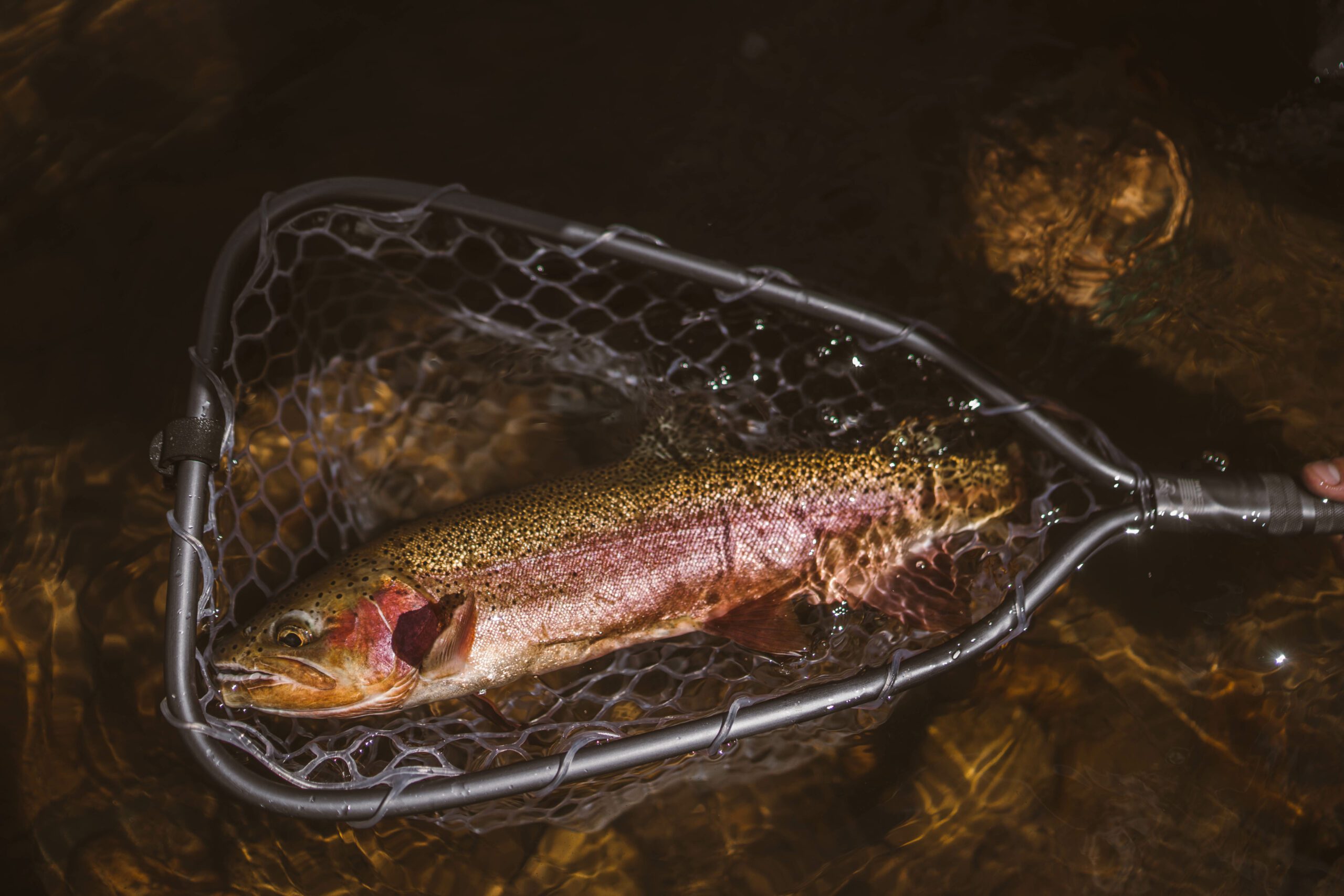
The only type of fish we fish for is trout. Rainbow and brown are the two most common catches and are usually caught in about the same numbers and ratio. Certain areas can be more prolific with one or the other species, but it’s usually a relative even split. On occasion you’ll find a rogue brook trout or cutthroat trout, but they’re not super prevalent within our fisheries. Your ‘average’ North Platte River trout is usually a very healthy 12-16 inches, with each summer always bringing a handful of trophy trout over two feet long. The ecosystems of the North Platte River, the Encampment River, and their major tributaries are so healthy and have such an abundance of food that these trout grow large relatively quickly.

Best Times of the Year
It’s safe to say that fishing within our valley is always good. With such a variety of fisheries and drastic changes in elevation, you can always find a productive spot somewhere at any given time of the year, if you know where to look. That being said, we have several windows of time throughout the season that can be particularly good on the water.
Mid-March to Mid-May
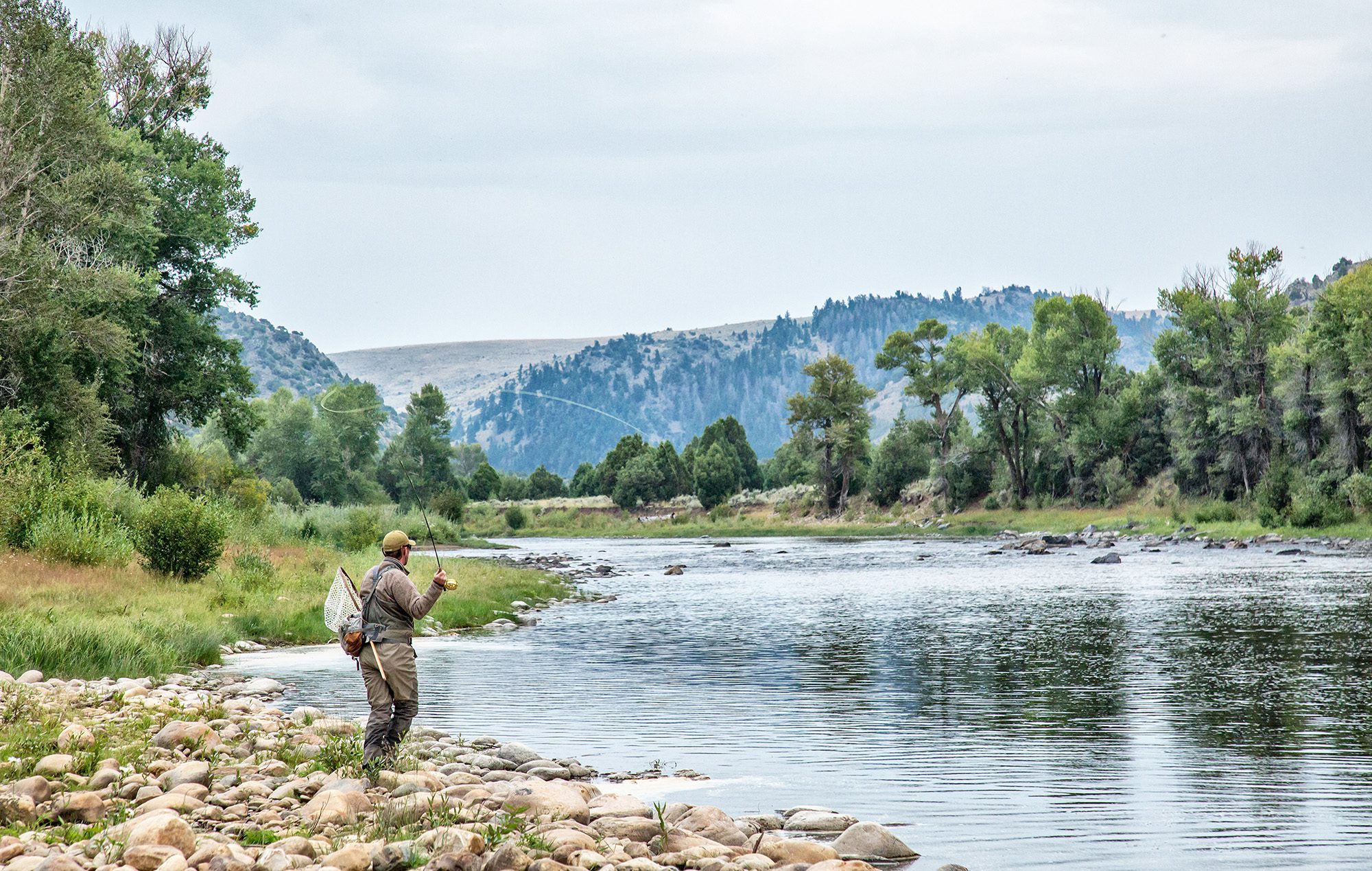
Spring in Wyoming offers perfect conditions for fly fishing on the miles of crystal-clear waters flowing through Brush Creek Ranch. As the snow in the lower elevations of the mountains in Medicine Bow National Forest melts away, water levels rise making float trips the popular method of fishing for the spring season. However, wade fishing is still feasible and a great way to connect with the blossoming land around you. This is also the time when insect hatches become more frequent, providing excellent opportunities for dry fly fishing. Anglers can expect to see hatches of Blue-winged Olives, Caddisflies, and Stoneflies, making it a prime time for matching the hatch. Waters are brimming with thousands of trout during the spring, providing ample opportunity to make memories that will last a lifetime.

Mid-May to Mid-July
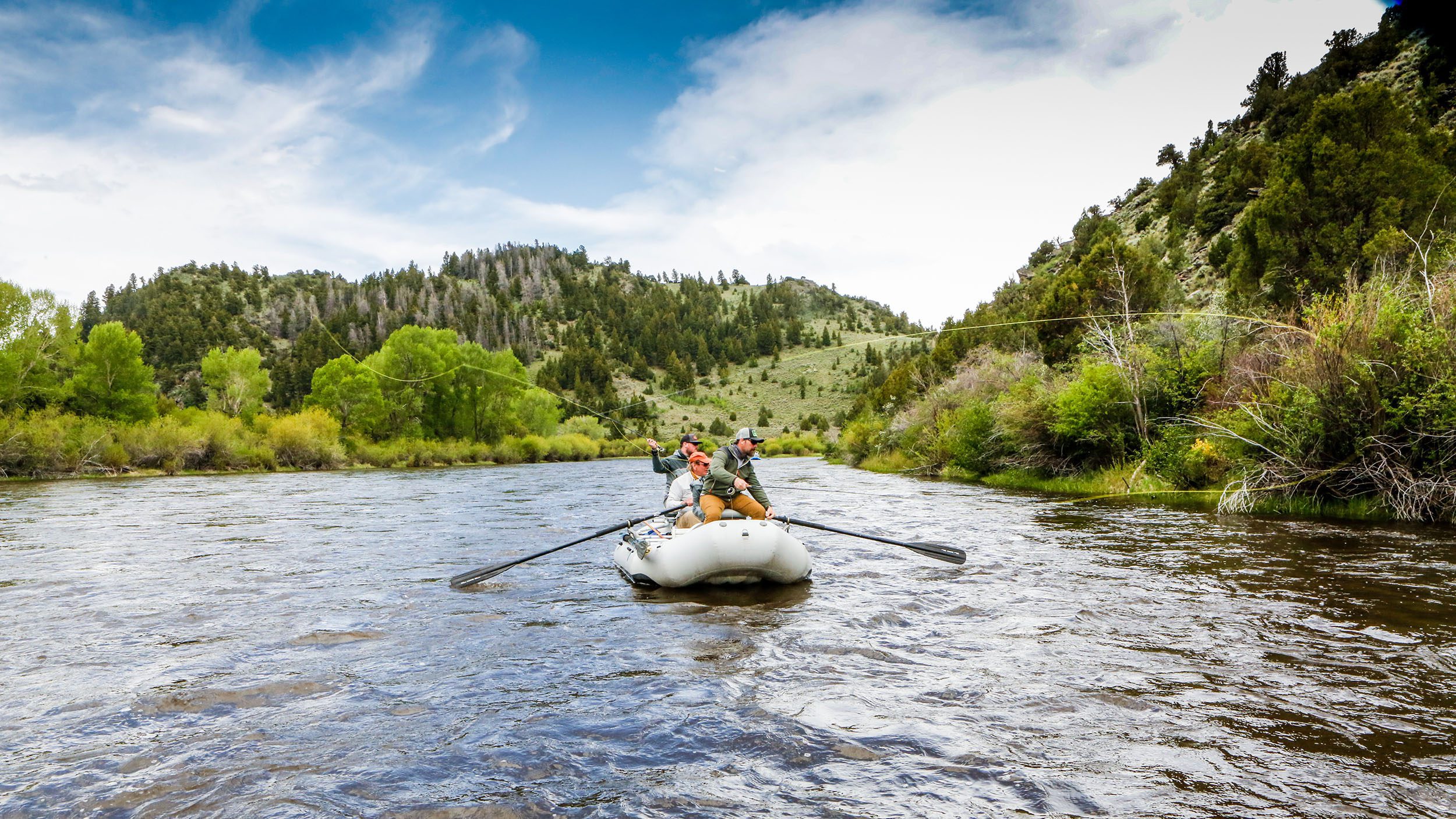
Once we hit the month of May, temperatures warm to the point that the high-country snow starts melting, which begins runoff. The word ‘runoff’ typically scares most anglers, however, in the Platte River Valley we fish right through runoff. The majority of our fishing is done via boat as wading this big water isn’t always feasible. Yes, the water might be high and off-color, but we target the banks and slower stretches and use brightly colored streamers and large nymphs. This is the time of year we witness the prolific Salmon Fly hatch on the North Platte. These massive aquatic insects hatch for up to 2 weeks and make up a huge portion of our trout’s yearly protein intake. This time of year is always the most productive time of year on all of our stillwater fisheries. Runoff typically peaks during the first week of June, for the remainder of the month, water levels drop, clarity improves, and we see more and more caddis, yellow sallies, PMDs and the famed green drakes in late June. Mid-to-late June is a very versatile time to fish in the valley with float and wade options and the ability to throw nymphs, dries, and streamers within any given day.
Mid-July to Mid-August
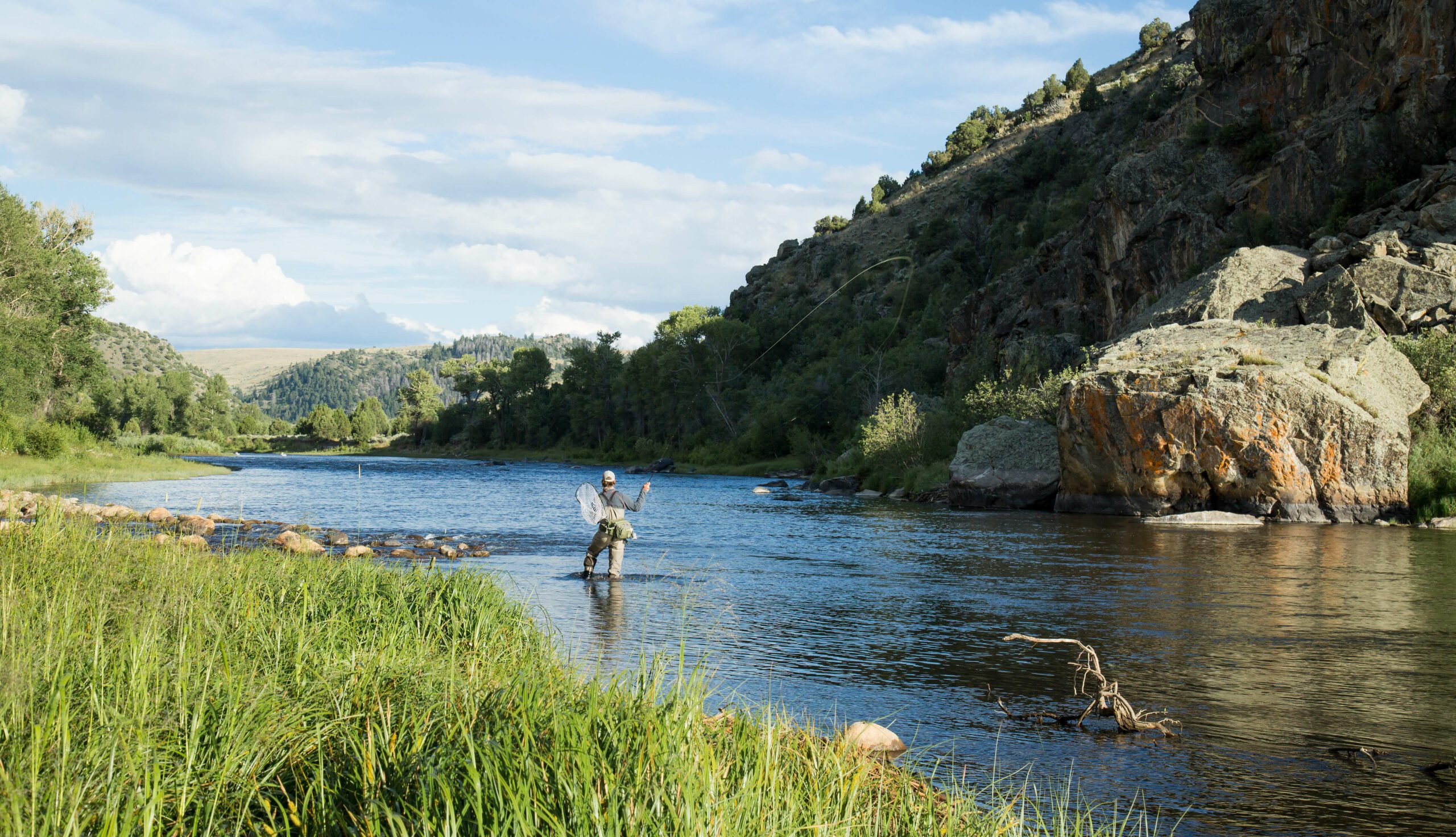
During mid-July to mid-August we experience the heat of our summers. This often causes water temperatures to rise and fishing to slow down. On a low water year, we restrict our fishing to the mornings only, once water temperatures reach 68 degrees, we stop fishing in order to decrease the amount of stress put on our fishery. With that being said, we still see some very productive fishing during this month. Tricos start to hatch in prolific proportions on the North Platte and Encampment and terrestrials (hoppers, beetles, ants) become a staple in the trout’s diet. A typical day starts with the trico spinner fall where hundreds of fish can be focused on the surface offering technical, but rewarding, dry-fly fishing. Float fishing becomes less viable as water levels drop and we start to focus mainly on wade fishing. This is a great time of year to escape the heat and head to the high country to find cooler water and more active fish.
Mid-August to Late September
This is by far the most consistent time to fish our valley. Once we hit mid-August, water temps start to drop, and fishing is phenomenal. The trico hatch usually starts dwindling down by early to mid-September and we start seeing more blue-winged olives (BWO). Terrestrials typically stick around until late September. Hopper-dropper rigs are the go-to this time of year and we focus mainly on wade fishing the upper stretches of the North Platte and all tributaries. Fall fishing is hard to beat in our Valley!

October to Late November
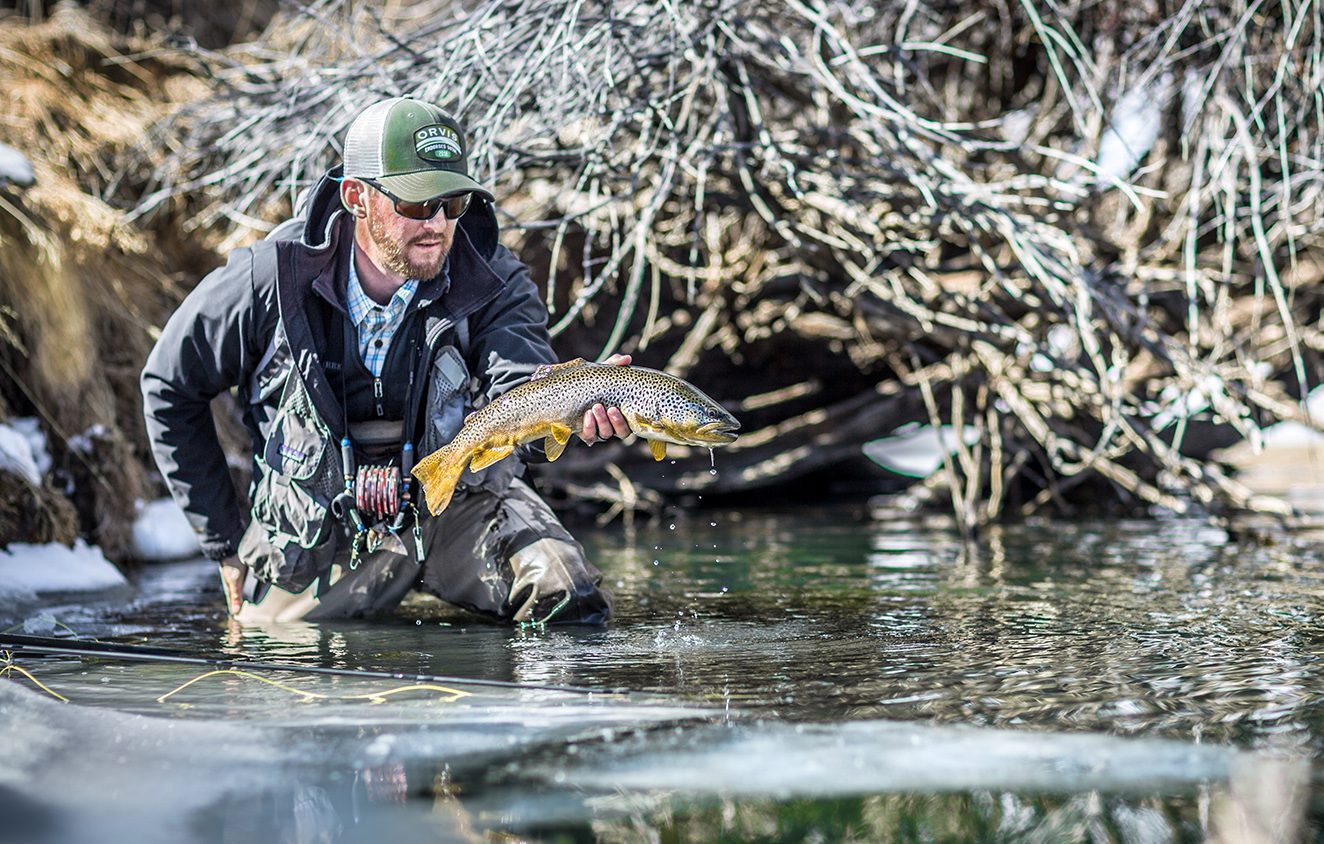
Once October hits, the only variable we worry about is the weather. Fishing can remain productive until the water freezes. Brown trout spawn in the fall which offers a great period of fishing as they prepare for the spawn and look for big meals, thus offering some excellent streamer fishing. All fish sense the colder temperatures and know winter is around the corner, causing them to feed heavily. Aside from an errant snowstorm, early to mid-October typically offers mild weather with cold nights and daytime highs averaging in the 60s. Once we hit mid-October, you start rolling the dice with Mother Nature. We say that this time of year ‘isn’t for the faint of heart’ but it’s some of our guides’ and locals’ favorite time of year to fish.
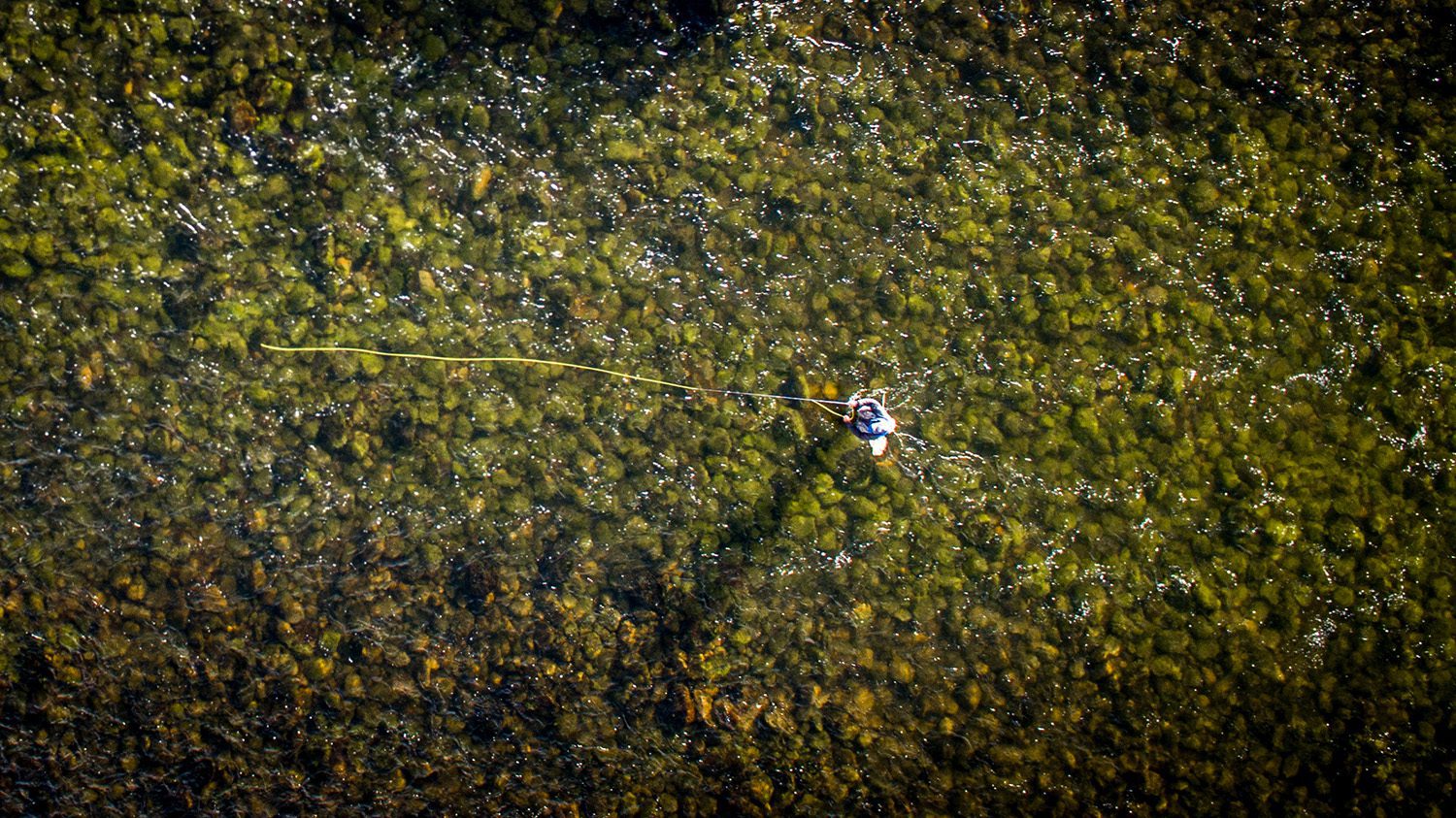
Orvis-Endorsed Fly-Fishing Lodge of the Year
5-Star Fishing Guest Reviews
Consistently earning 5‑star Orvis guest reviews, Brush Creek Ranch delivers a fly‑fishing experience defined by exceptional service, expert guiding, and world‑class waters. Guests regularly highlight the abundance of trout, diversity of fisheries, and the seamless blend of luxury and authentic Western adventure, resulting in a 5‑star rating across more than 180 reviews and a 100% guest satisfaction.
Frequently Asked Questions
What makes Brush Creek Ranch the best fly fishing in Wyoming?
Brush Creek Ranch offers a combination of private water access, expert Orvis-certified guides with consistent exceptional real guest reviews, and private access to more than 20 miles of Blue-Ribbon trout water on Wyoming’s renowned North Platte River watershed. The quality of the fishery is reflected in Brush Creek Ranch’s recognition as the 2026 Orvis-Endorsed Fly-Fishing Lodge of the Year, an award presented annually to a single lodge worldwide based on guest reviews, guide quality, hospitality standards, and environmental stewardship. The award is widely regarded as the fly-fishing industry’s highest independent endorsement.
What species can guests catch on the North Platte River?
Guests primarily fish for rainbow trout and brown trout in the North Platte River watershed, including Brush Creek, French Creek, and the Encampment River. The fishery also supports smaller populations of brook trout and cutthroat trout, with opportunities to catch trophy trout exceeding 20 inches.
What fly fishing experiences are included in the all-inclusive rate?
Guests can participate in the Ranch’s Intro to Casting & Flies session and enjoy stillwater fly fishing, both included with overnight stays. For those seeking a more advanced experience, guided fly fishing excursions such as creek fishing, wade fishing, and float trips on the river are available for an additional fee. These upgraded experiences are led by professional guides and provide access to some of the Ranch’s premier fisheries.
Is fly fishing gear and guiding included?
Yes. Professional guides and all necessary fly-fishing equipment are included with both the Ranch’s all-inclusive fishing experiences and upgraded guided excursions, so guests can enjoy their time on the water without bringing their own gear.
Does Brush Creek Ranch offer year-round fly fishing?
The Ranch offers different fishing opportunities throughout the year, but fly fishing is seasonal and not available during the winter months. When ponds freeze over, guests can instead enjoy guided ice fishing experiences on the Ranch’s stillwater fisheries. Seasonal fishing offerings vary based on weather and water conditions to ensure the best possible experience.
What is the best time of year for fly fishing at Brush Creek Ranch?
Fly fishing at Brush Creek Ranch is typically available from mid-March through November, depending on weather and water conditions. The most consistent fishing opportunities are generally found from April through October. Guided float trips are available during periods of higher water flows, typically from April through August with timing dependent on annual river conditions and water levels.
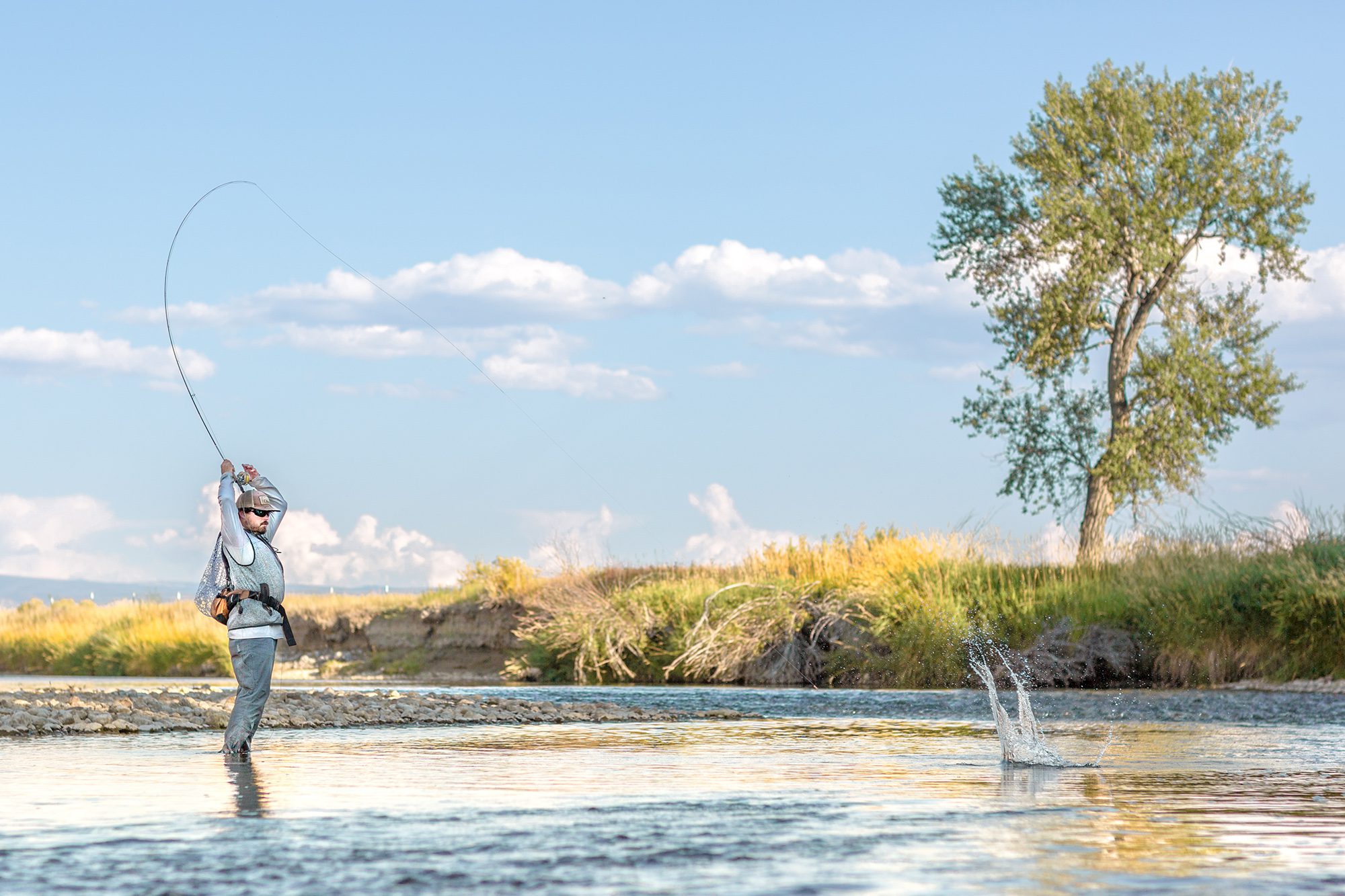


Meet Adam Crowson
Growing up in Boise, Idaho, Adam spent his childhood fishing lakes, rivers, and creeks across the state. Introduced to fly fishing at a young age by his father, his passion for the sport has only grown over time. After attending guide school, Adam landed his first guiding job 15 years ago and has been a fly-fishing guide with Brush Creek Ranch for the past 12 years.
Tailoring his approach to different skill levels, Adam starts slow with beginners and challenges advanced anglers with more difficult fishing techniques and areas. He loves that each fishing day is unique with the diverse fishing environments at Brush Creek Ranch, from small creeks to expansive rivers. He defines the ideal day on the water by a positive fishing attitude rather than perfect conditions. One of his favorite experiences is building lasting relationships with clients he taught as beginners and helping them grow their skills during return trips over the years.
He stays updated with the latest techniques by fly-fishing frequently. Outside of work, Adam spends his time fishing and aims to fish 300 days per year. His advice to newcomers is to hire a guide and avoid unnecessary gear purchases. His favorite tip is to keep your flies wet and avoid overcasting.

Meet Michael Geiser
Michael, who goes by Geiser, has been fly fishing for as long as he can remember. Introduced to the sport by his grandfather and later mentored through a high‑school job with Orvis, he grew up immersed in both the craft and culture of fly fishing. What began as childhood fascination soon became a lifelong pursuit—one defined by the active, thoughtful nature of fly fishing, the solitude of wild places, and the belief that fish simply don’t live in ugly places. For the past 15 years, Geiser has built his career as a guide, with 12 of those seasons spent at Brush Creek Ranch.
Summer mornings find Geiser prepping boats, organizing gear, assembling lunches, securing licenses, and outfitting guests before rowing them into some of the most scenic stretches of freestone water in the West. He spends evenings tying flies specific to the next day’s conditions, and his off‑season is dedicated to staying sharp through fishing, fitness, and studying the hatches that shape each season on the river. To him, the most meaningful part of guiding is being present for guests’ best memories, especially those on once‑in‑a‑lifetime trips.
Geiser believes a great guide must have a spirit for service, physical endurance, and a deep well of patience. He tailors each experience to the guest’s skill level, ensuring safety through emergency preparedness and constant awareness of water conditions. Outside of guiding, he enjoys saltwater fly fishing, working out, and butchering, and hopes one day to fly fish Australia. His best advice to beginners is simple: slow down—the journey is the destination. And if you’re struggling with your cast, remember: don’t rush the back cast.

Meet Matt Anderson
Matt’s passion for fly fishing began at the age of 12. He started guiding during college as a summer job and has now been guiding for 20 years. For the past 11 years, Matt has been sharing his expertise at Brush Creek Ranch. Fly fishing initially drew him in because it offers the perfect blend of getting outdoors, enjoying solitude, embracing challenges, and appreciating the beautiful places where trout live.
The water and fishing conditions are constantly changing, making each day different. The scenery is both beautiful and unique. Matt describes the ideal day for fly fishing at Brush Creek Ranch as early June, with the North Platte at 1250 CFS, water temperatures in the mid-50s, a high of 70 degrees, a slight breeze, and afternoon clouds, floating from 6 Mile to Sanger.
Outside of work, Matt enjoys spending time with his family, fishing, and hunting. His personal fly-fishing goal is to travel the world in pursuit of fish other than trout. His advice to someone new to fly fishing is to stick with it and practice. The learning curve can seem daunting at first, but it’s important not to get frustrated, enjoy observing the natural world, and never stop learning. He cautions beginners against developing bad habits early, as they can be hard to break later on. Matt’s favorite fly-fishing tip is about casting: “It’s the foundation of the sport. If you can cast well, you can fish well.”

Meet Katie Haver
A fly-fishing guide at Brush Creek Ranch for the past four years, Katie was initially drawn to fishing because it puts you in the outdoors with a purpose and forces you to connect with your environment. She has never been one to climb a mountain just for the picture, but if there’s a fishable lake up there, the climb suddenly has purpose. Fly fishing requires understanding not only fish behavior but also the ecology of the river. Most western communities revolve around water rights, and as a guide, Katie has a front-row seat to how precipitation affects agriculture, recreation, and ecology.
Growing up in Colorado, where rivers are crowded and fish are constantly pressured, Katie says the fishing environment at Brush Creek Ranch is unmatched, since it’s more remote and the fish don’t see as much pressure.
Katie says the most rewarding days are when she’s guiding guests with minimal experience, in tough conditions, and a short window to fish, but they still hook a trout! They feel like they’ve accomplished the impossible after that.
Katie’s advice for beginners is not to muscle the fly rod into casting for them. It never works. If your arm is getting tired, you’re doing it wrong. It’s a finesse sport, not a strength sport. Her favorite way to start her fishing trips is to fish the most unassuming piece of water first before moving to what looks fishy. Fish may be sitting 10 feet in front of you while you’re trying to cast 40 feet.

Meet Landon Trujillo
Inspired by watching his dad cast across Wyoming waters, Landon first picked up a fly rod at seven years old. What began as childhood curiosity quickly became a lifelong obsession—not just with fishing itself, but with the wild, beautiful places it leads you. In 2023, he joined the Brush Creek Ranch guide team, and his passion for the sport has only deepened since then.
No two guiding days look the same for Landon. Preparation might mean tying flies the night before, stocking lunches, or packing everything from sunscreen to bug spray to ensure guests have exactly what they need. For Landon, the greatest reward is sharing fly fishing with people who may be experiencing it for the very first time, opening the door to a world they may never have stepped into otherwise.
His guiding style is rooted in reading water, understanding why trout hold where they do, and recognizing the subtle rhythms of aquatic life—especially the bugs that drive a day’s success. Landon adapts his approach to each guest, whether breaking down the basics for beginners or fine‑tuning technique for more seasoned anglers. He relies on daily river time, conversations with fellow guides, and the Saratoga community’s wealth of experience to stay sharp.
Outside of guiding, Landon spends nearly all his free time on the water or in the mountains hunting mule deer and elk. He values the camaraderie of the guide team above all and hopes to one day land a 30‑inch trout. His advice to newcomers is simple: dedicate the time, embrace the challenge, and learn to read the water—because understanding where fish hold is the key to unlocking the entire sport.

Meet Logan Homar
Logan began fishing at just eight years old while growing up in Wyoming, and the sport has been his passion ever since. Inspired by his dad, who spent his own childhood fishing the waters around Jackson, Logan knew early on that he wanted to build a life on the river. Right out of high school, he began working at his local fly shop in Laramie to gain experience, and by nineteen he guided his first season. Now, with four years of guiding behind him and entering his third season at Brush Creek Ranch, Logan has turned his lifelong love of fly fishing into a career grounded in patience, skill, and genuine enthusiasm.
Each guiding day begins with preparing the shop and gearing up for time on the water. Logan outfits guests with waders and boots, secures licenses, packs a cooler for lunch on the river, and leads them to Brush Creek’s private waters in search of trout and unforgettable moments. For him, sharing one of the most beautiful landscapes he’s ever known—and giving guests an experience they may never have again—is the most rewarding part of the job.
Logan believes that successful guiding comes down to communication, patience, and understanding trout behavior. He tailors every trip to each guest’s skill level, simplifying the basics for beginners while helping more experienced anglers refine technique. He loves the region’s diversity, from prairie rivers to high alpine lakes, and spends his free time fishing it all. His personal goal is to land a 30‑inch trout, but above all, he hopes to help guests discover the same passion that has shaped his life since childhood.

Meet Vince Haukereid
Vince has wanted to be a fly‑fishing guide for as long as he can remember. Introduced to the sport at the age of four, he spent his childhood on the water with his dad—days that sparked a lifelong passion and eventually led him to reach out to outfitters, share his experience, and turn that dream into a career. Now entering his fourth year as a guide—and his third season at Brush Creek Ranch—Vince brings enthusiasm, patience, and a deep love of the sport to every guest he works with.
A typical day for Vince starts early, organizing gear, prepping boats, and welcoming guests before heading out for casting lessons and time on the water. He believes preparation makes all the difference, often spending his days off scouting to understand what the fish are eating and where they’re holding. For Vince, the most rewarding part of guiding is helping people succeed—whether that’s landing their first trout or making a memory that stays with them for life.
He prides himself on adapting his teaching style to each guest, offering detailed instruction to beginners and more freedom to experienced anglers. With access to rivers, creeks, ponds, and lakes across varied landscapes, he appreciates the diverse fishing opportunities Wyoming provides. When he’s not guiding, Vince is usually fishing or hunting with friends, always looking for new waters to explore. His advice for newcomers is simple: don’t give up, don’t be afraid to try something new, and approach each spot with intention—because sometimes the smallest adjustments make the biggest difference.

Meet Jack Henderson
Born and raised in Jackson, Wyoming, Jack Henderson grew up surrounded by rivers, mountains, and an early love for fly fishing. His dad handed him his first fly rod when he was young, sparking a passion that never faded. The moment Jack realized he could make a career out of being on the water, he jumped at it. After guiding in Jackson for two years—including unforgettable days navigating the Snake River—he joined Brush Creek Ranch for his first season, eager to bring his experience to a new landscape.
Jack approaches each day on the water with intention: checking conditions, rigging gear, and crafting a plan that ensures guests have a memorable experience. Whether teaching the basics or refining advanced techniques, he tailors every outing to each guest’s comfort and curiosity. For Jack, the most rewarding part of guiding is giving people the same sense of wonder he’s been fortunate to feel his entire life, whether it’s landing a big trout or simply pausing to appreciate the wilderness around them.
Curious and constantly learning, Jack stays up‑to‑date by talking with fellow anglers and staying engaged with the fly‑fishing community. When he’s not guiding, he can usually be found fishing even more or heading into the mountains to hunt. His personal goals are simple: travel to remote waters and chase “bucket‑list” fish around the world. For beginners, his advice is rooted in patience, good mentorship, and proper casting, anchored by one of his favorite teaching analogies: on the forward cast, imagine flicking mashed potatoes from a fork; on the back cast, imagine reaching for the phone.

Meet Derek Liebich
Derek Liebich first stepped into the world of fly fishing at just six years old, guided by his dad and uncle, both lifelong anglers who passed down their love of rivers, trout, and the outdoors. After high school, he moved to Colorado, working in a fly shop and sharpening his skills before transitioning into guiding. Now entering his second season at Brush Creek Ranch and his third year as a professional guide, Derek brings a lifelong passion and a patient, thoughtful approach to every guest he leads on the water.
A typical day begins with coffee at the Cook Shack before heading to the shop for morning chores, prepping rods, tying fresh flies, and stocking essentials for a full day outside. For Derek, preparation is as much about the gear as it is about creating a comfortable and engaging experience for his guests. The most rewarding part of guiding, he says, is introducing people to a new way of connecting with the natural world, standing in the middle of a river, noticing insects, currents, and colors they might otherwise overlook.
Derek believes casting lessons are the cornerstone of a successful trip, adapting his teaching style to each guest’s learning pace and experience level. He stays sharp by constantly asking questions of other anglers and seeking out new perspectives on flies, knots, and water reading. Some of his most memorable days involve guiding kids who bring unfiltered excitement to every cast, whether learning to tie flies or identifying bugs in the river.
He values the remarkable variety of waters at Brush Creek, from intimate, technical small‑stream stretches to the broader challenges of the Encampment and North Platte, where big browns and rainbows reward precision. Outside of work, Derek is either fishing, tying flies, or experimenting with new patterns based on what he observed that day. Having recently achieved his goal of guiding an angler to a 20‑inch trout on a fly he tied himself, he’s now focused on continuing to teach, inspire, and help guests discover their own unique style of fly fishing.

Meet Keaton Westhoff
Keaton Westhoff grew up in Casper, Wyoming, where fishing became second nature as soon as he could wrap his hands around a rod. At fourteen, a close friend introduced him to fly fishing, and the spark was immediate. What began as curiosity quickly became a passion that has only intensified with time. After graduating from the University of Wyoming, Keaton turned that passion into a profession, stepping into guiding with the same excitement he felt the first time he watched a trout rise. Now in his second season as both a guide and a member of the Brush Creek Ranch team, he brings genuine enthusiasm and a deep love for Wyoming’s waters to every trip.
For Keaton, fly fishing is a sport rooted in discovery. Each day on the river offers something new: fresh challenges, shifting conditions, and endless opportunities to learn. He believes the open, uncrowded waters of the valley are among the most special places to fish anywhere, and he loves helping guests of every experience level connect with that beauty. Whether a guest lands their first trout, sets a personal best, or finds quiet confidence in a new skill, Keaton considers it a privilege to be part of those moments.
His approach to guiding centers on joy and curiosity. Keaton encourages newcomers to have fun and embrace the process, reminding them that the learning curve is part of what makes fly fishing so rewarding. Each cast, he says, is a chance to grow, and the real magic is found in the journey, not just the catch. At Brush Creek Ranch, he hopes to share that perspective with every angler he meets, helping them discover not only the thrill of fly fishing, but also the deeper connection to nature that keeps him returning to the water day after day.

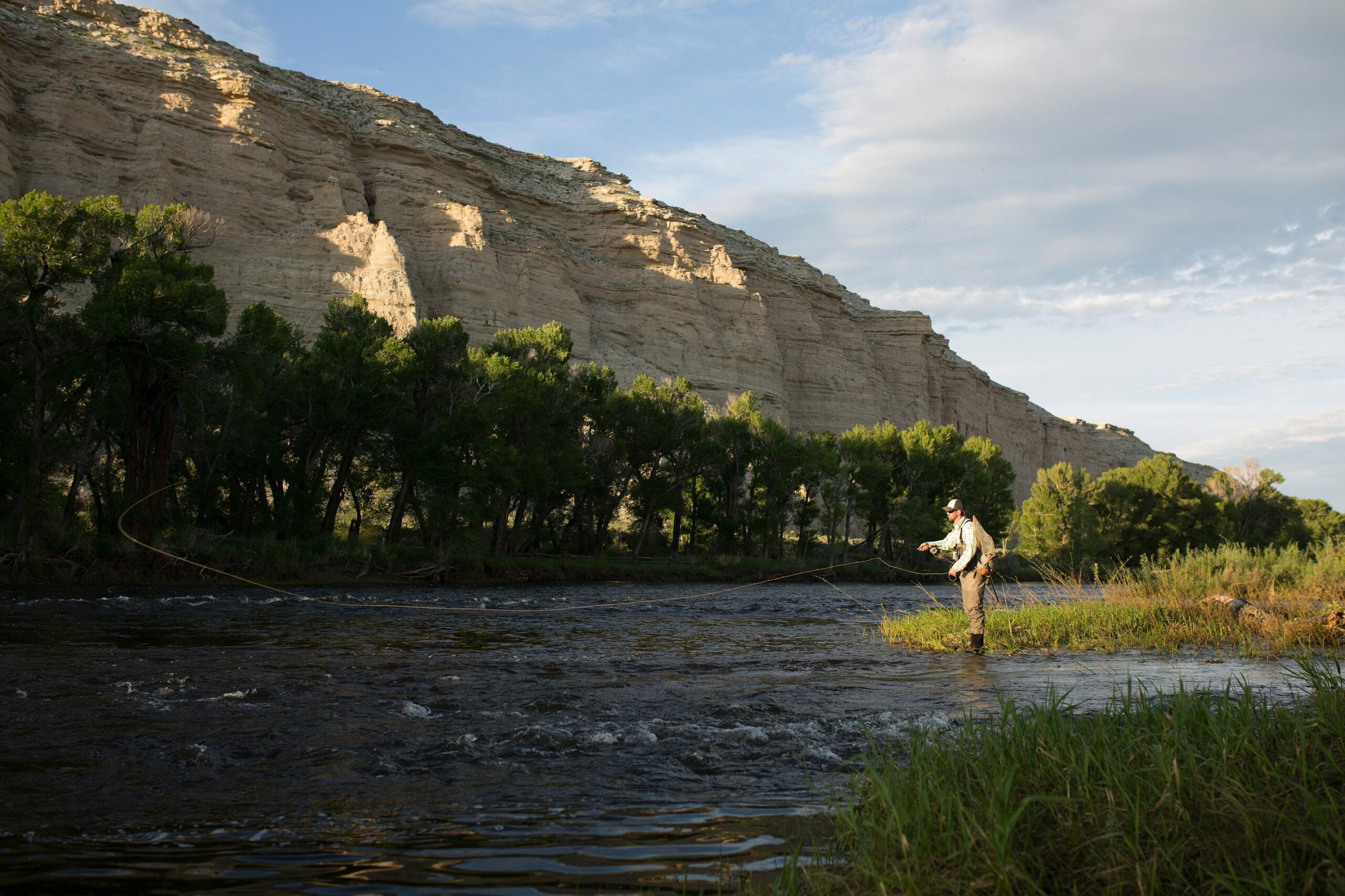
Fly-Fishing Packages
Ready to cast your line with the best in the business? Book our all-inclusive fly-fishing package to fish daily with an elite Orvis-endorsed guide and discover why they are the gold standard in fly fishing.



Frequently Asked Questions
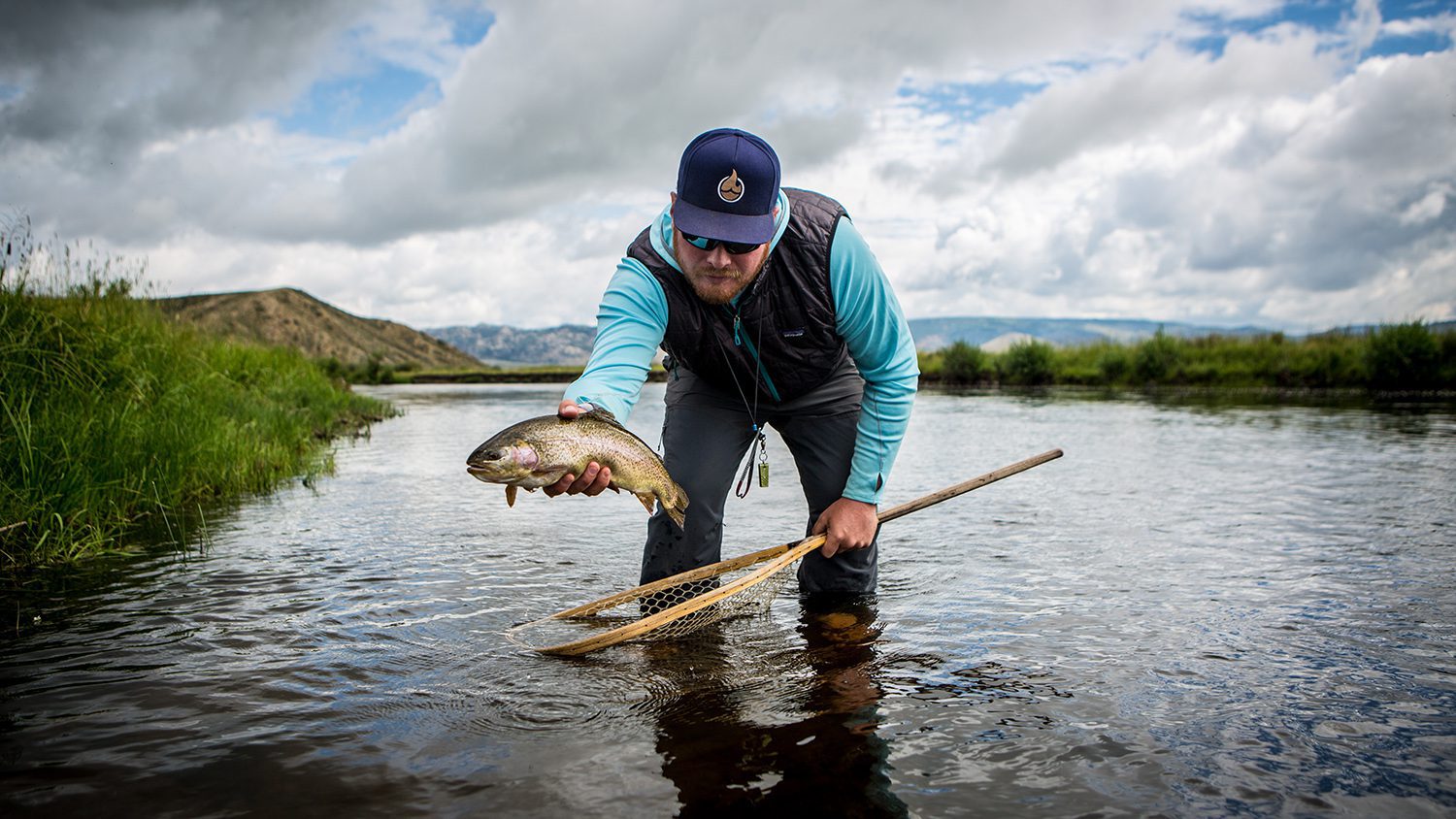
Do I need to know how to fish to do a stillwater trip?
No experience is necessary for fishing stillwaters. Less variables, easy for learning to cast and chances of success are higher for beginners.
Do I have to wear a life jacket?
Life jackets are mandatory on certain stretches.
How deep is the water?
Mostly shallow, 1-4 feet. Some areas can get 10-20 feet though.
Will I catch a fish?
Likely but not guaranteed.
Do I need a fishing license?
Licenses are NOT required for ponds, only rivers.


Frequently Asked Questions
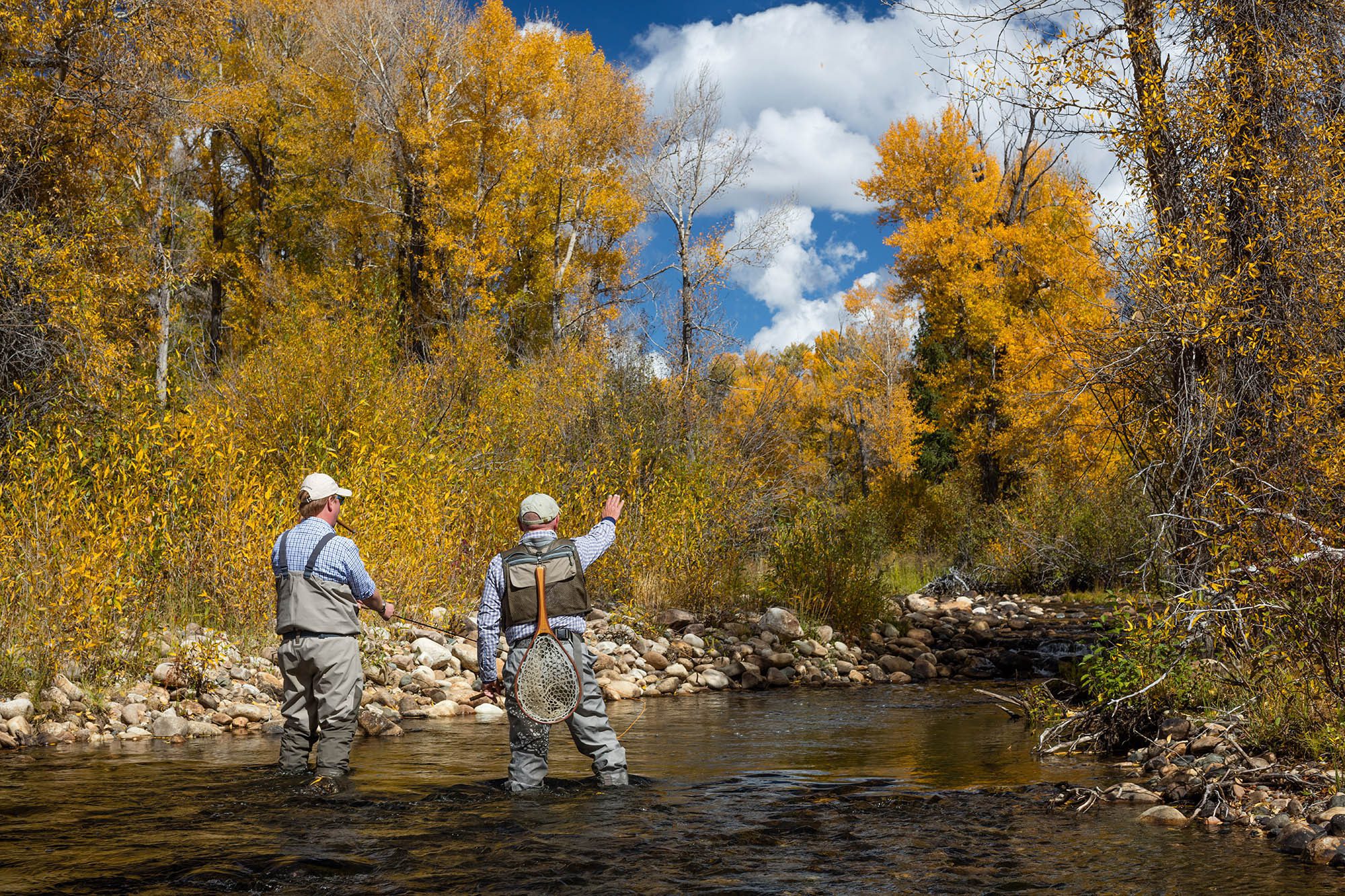
Do I need to hike?
Most locations are closely accessed by vehicle.
Is the wading difficult?
Some stretches you will experience slippery rocks and uneven surfaces.
Can I bring my own gear?
Of course, but if you don’t want to travel with it, we have all the top of the line Orvis gear you’ll need.
Can my kids go on a wade trip?
If your child doesn’t have fly fishing experience, we recommend they start out with an on-ranch session first.
Are there snakes/wildlife?
There are no poisonous snakes and always the possibility of seeing wildlife while out fishing.
Will the bugs be bad?
Mosquitoes can tend to be worse in June and July.
Will I catch a fish?
Likely, but not guaranteed.


Frequently Asked Questions
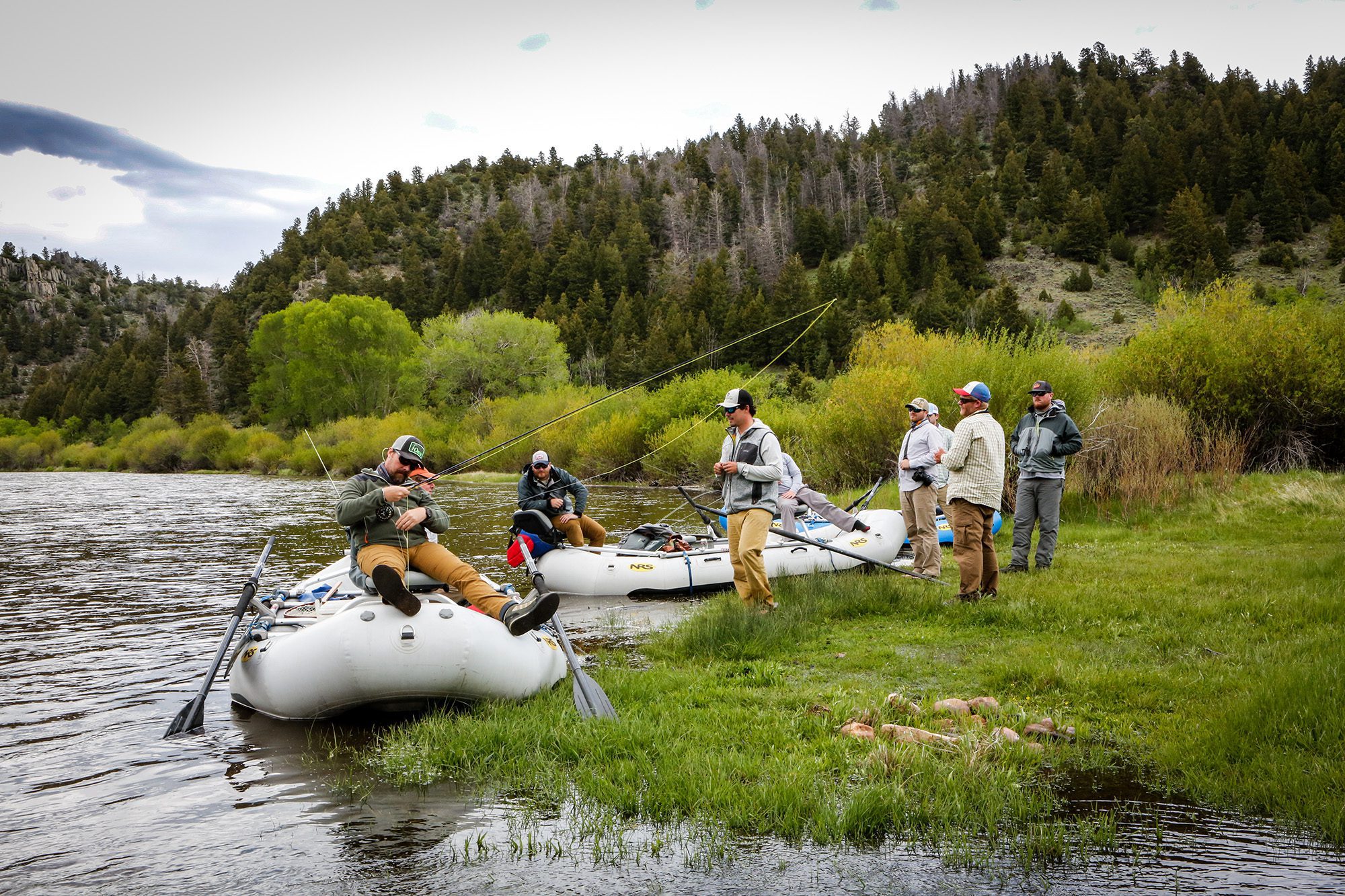
Do I need to know how to fish to do a float trip?
More variables exist in a float trip, making it harder for a novice angler to be successful. However, all skill levels will love a full day float.
Do I have to wear a life jacket?
Life jackets are mandatory on certain stretches.
Is the water rough?
Some sections could be choppy but nothing a fishing raft will not easily overcome.
How deep is the water?
Mostly shallow, 1-4 feet. Some areas can get 10-20 feet though.
Will I catch a fish?
Likely but not guaranteed.
Do I need a fishing license?
For any float trip, yes. Licenses can be purchased at the Fly Shop/Outfitters Barn.


Frequently Asked Questions
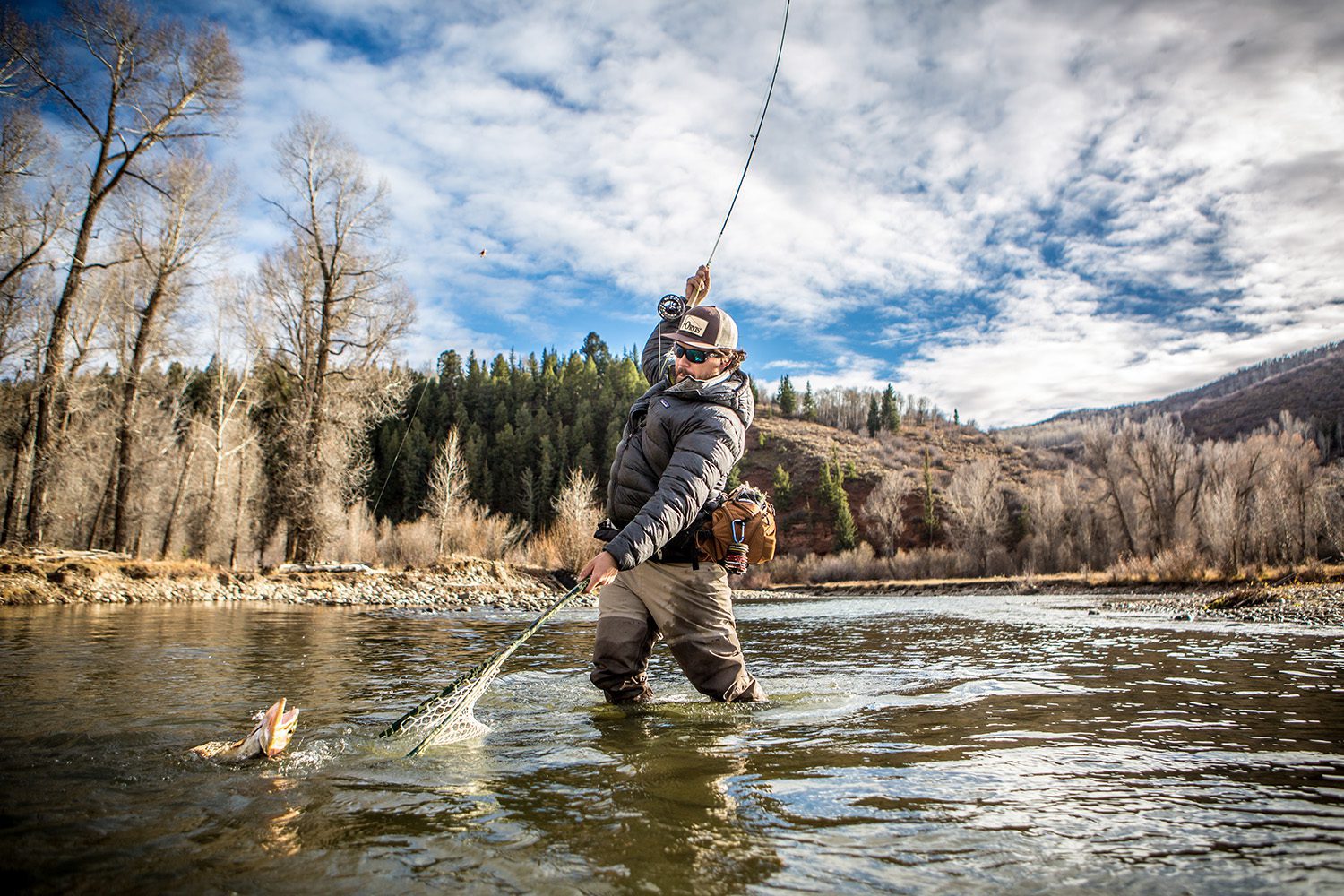
Do I need to hike?
No. Your RZR will drive you right up to the water!
Can I bring my own gear?
Of course, but if you don’t want to travel with it, we have all the top of the line Orvis gear you’ll need.
Can my kids go fishing?
If your child doesn’t have fly fishing experience, we recommend they start out with an on-ranch session first.
Are there snakes/wildlife?
There are no poisonous snakes and always the possibility of seeing wildlife while out fishing.
Will the bugs be bad?
Mosquitoes can tend to be worse in June and July.
Will I catch a fish?
Likely but not guaranteed.


Stay Informed